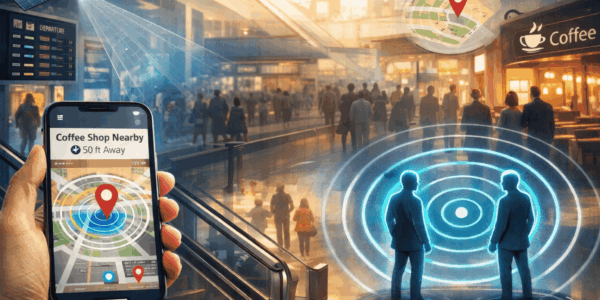
Local SEO has always been about one thing: being in the right place at the right time.
But there’s a problem.
Search engines are still pretty bad at understanding exact physical location — especially indoors. That’s where ultra-wideband (UWB) starts to get interesting.
First, what is UWB?
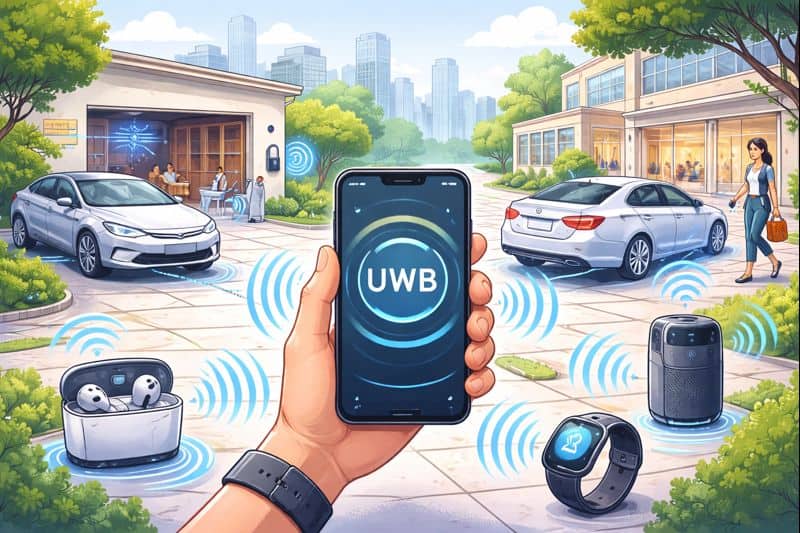
Ultra-wideband (UWB) is a wireless technology that allows devices to measure distance with extreme accuracy — often down to a few inches.
To put that in perspective:
- GPS can be off by several meters
- Wi-Fi and Bluetooth are hit-or-miss indoors
UWB can tell how close two devices really are
Many newer smartphones, cars, and smart devices already support it.
Why location accuracy is a big deal for local SEO
Google’s local results are built on three core ideas:
- Relevance
- Prominence
- Proximity
Proximity is the tricky one.
Right now, Google usually knows:
- Your city or neighborhood
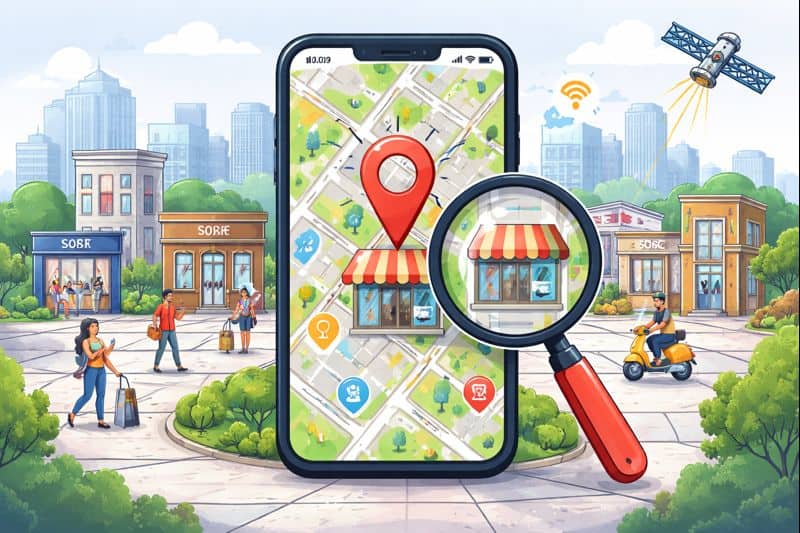
- A rough GPS position
But it often doesn’t know:
- Which floor you’re on
- Which entrance you used
- Which business inside a building is actually closest
That gap limits how good “near me” results can be.
UWB fixes the indoor location problem
Indoor spaces are one of the biggest weak spots in local search:
- Malls
- Airports
- Stadiums
- Large retail stores
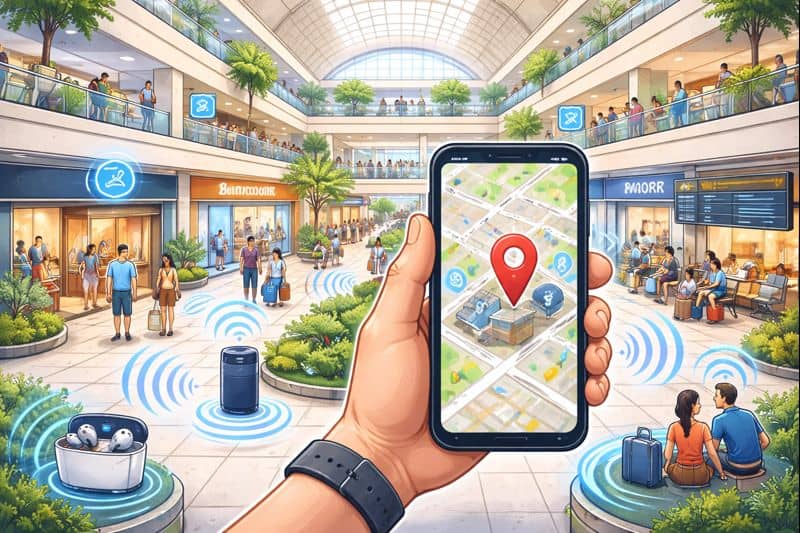
UWB enables indoor positioning, meaning devices can understand location inside buildings, not just outside them.
For local search, that could mean:
- Knowing you’re inside a mall
- Knowing which store you’re closest to
- Ranking businesses based on real distance, not guesses
That’s a huge upgrade.
“Near me” becomes actually near
Today, “near me” usually means somewhere nearby.
With UWB, it could mean:
- Same floor
- Same hallway
- Same section of a store
Imagine searching for “coffee near me” while walking through a mall. Instead of showing cafés across the street, search results could prioritize the one 50 feet away.
That’s the kind of intent matching local SEO has always wanted.
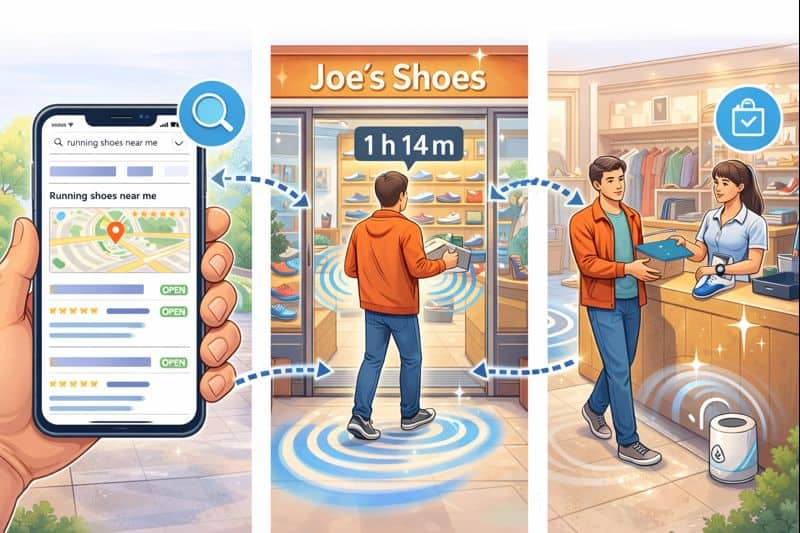
Better tracking from search to store visit
Another big issue in local SEO: proving it works.
It’s hard to clearly connect:
- A search
- To a store visit
- To time spent inside
- To a purchase
UWB can help close that loop by confirming real-world behavior, like:
- Entering a store
- How long someone stays
- Which areas they visit
That makes local SEO performance easier to measure and explain.
Cleaner reviews and fewer fake locations
Long term, UWB could also help with trust signals:
- Reviews from verified in-store visitors
- More accurate map pins
- Fewer fake or spammy business listings
That’s good news for real businesses and bad news for spam.
Does UWB affect rankings today?
Not directly.
Google doesn’t publicly use UWB as a ranking factor right now. But that doesn’t mean it’s irrelevant.
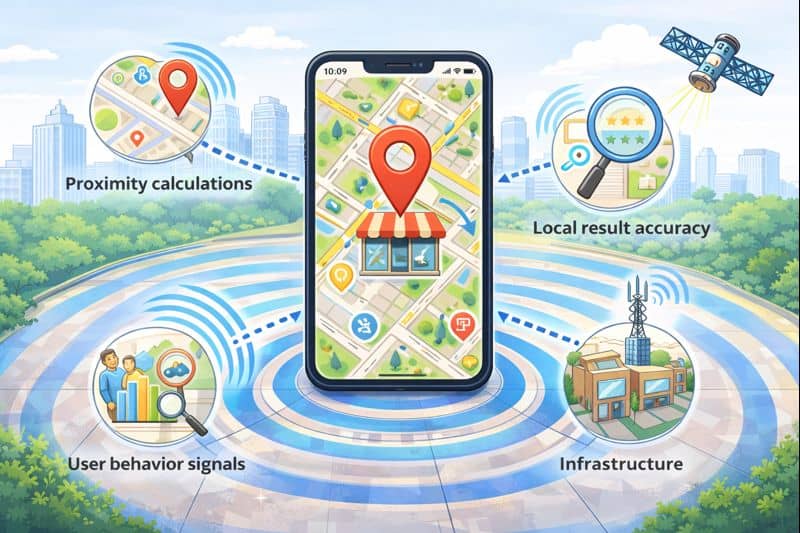
Better location data improves:
- Proximity calculations
- User behavior signals
- Local result accuracy
Think of UWB as infrastructure, not a ranking trick.
What local SEOs should watch
If UWB becomes mainstream, local SEO may shift toward:
- Indoor maps and layouts
- Multiple entrances and floors
- Exact physical positioning, not just addresses
Local SEO will move from:
“Where is your business?”
to
“Where exactly are you inside this space?”
Final thoughts
Ultra-wideband isn’t something you optimize for today.
But it points to where local SEO is going: more precise, more physical, and more tied to real-world behavior.
Location is about to mean a lot more than a pin on a map.