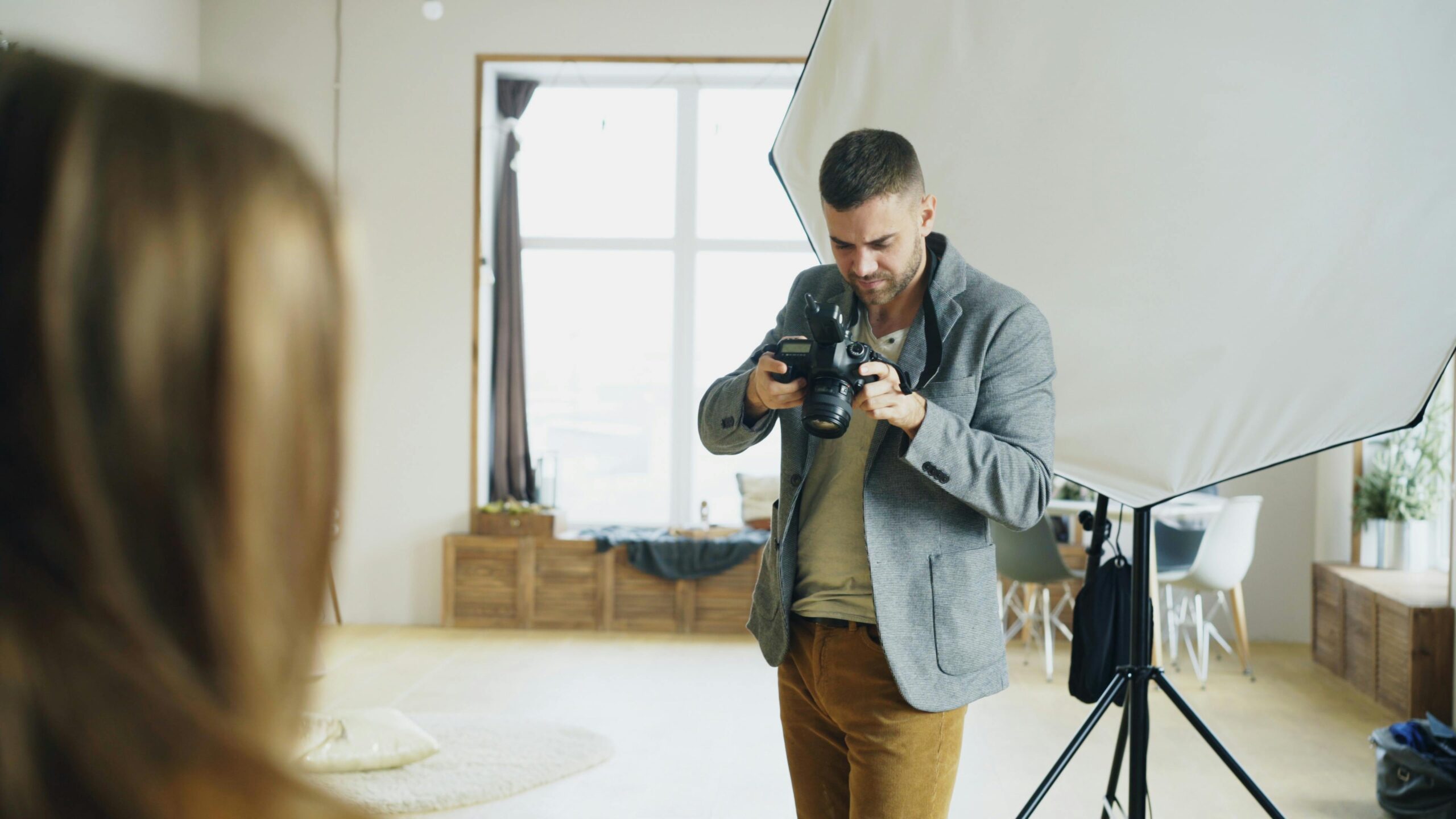
Most SEO conversations focus on keywords, backlinks, and technical audits. But there’s a visual layer that quietly shapes your rankings — and it starts the moment someone lands on your page.
Professional photography and search engine optimization might seem like they operate in separate worlds. One is creative; the other is technical. But today, they’re more intertwined than most website owners realize. If your site is loaded with generic stock images or blurry smartphone shots, Google and your visitors both notice — and neither of them likes it.
How Images Affect SEO Signals
Google doesn’t just crawl your text. It evaluates the entire user experience, and visuals are a massive part of that. Page engagement metrics — how long someone stays, how far they scroll, whether they click through to other pages — are all influenced by what visitors see in the first few seconds.
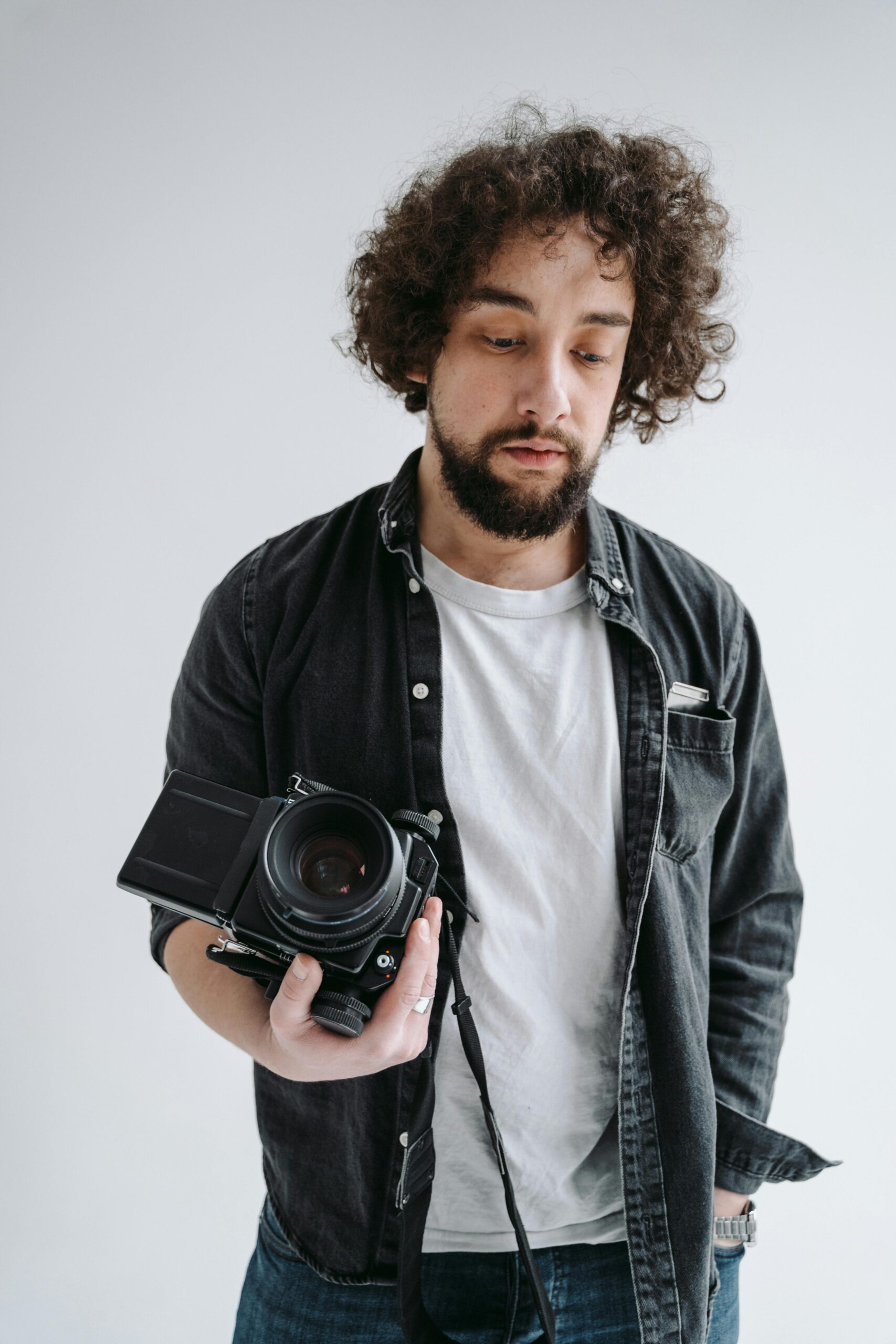
High-quality, original photography signals to both users and search engines that a website is credible and worth exploring. Stock photos, on the other hand, are indexed across thousands of sites, meaning they contribute zero originality to your content. That’s a missed opportunity every time.

Here’s what professional photography directly impacts from an SEO standpoint:
Dwell time and bounce rate. Compelling images hold attention. When a user scrolls through a well-shot portfolio or product page, they stay longer — and lower bounce rates are consistently correlated with better rankings.
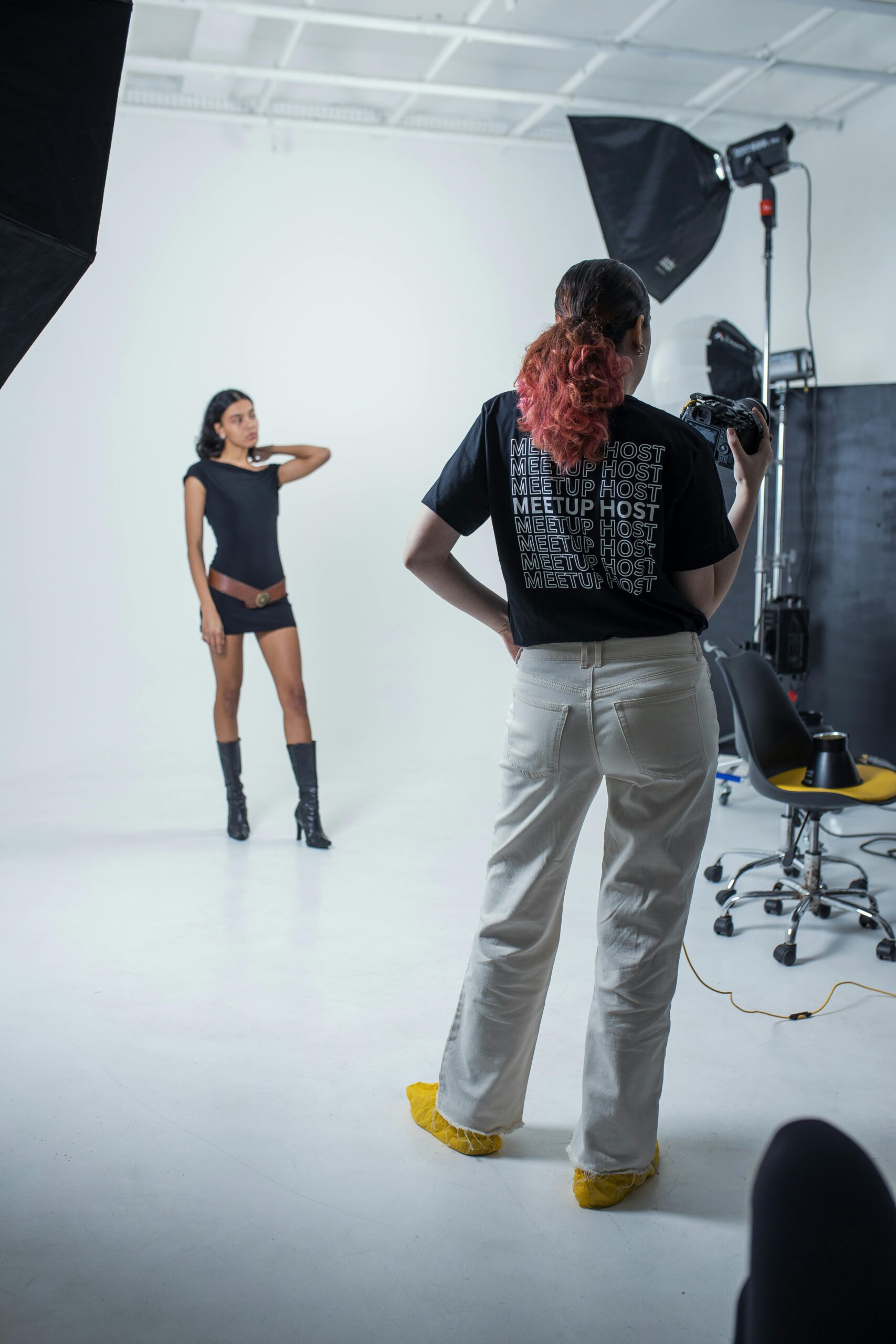
Image search traffic. Original, properly tagged images can rank in Google Image Search, driving an entirely separate stream of organic traffic to your site that stock photos will never capture.
Page load speed (when optimized). This one cuts both ways. Professional photographers typically deliver high-resolution files, so you’ll need to compress and properly format them. But the performance gains from serving the right images at the right size are real — and page speed is a confirmed ranking factor.
Brand authority and E-E-A-T. Google’s quality guidelines place significant weight on Experience, Expertise, Authoritativeness, and Trustworthiness. A site with polished, authentic photography demonstrates all four — especially for local businesses and service providers where trust is everything.
The Local SEO Angle
For local businesses, this matters even more. A restaurant, event venue, law firm, or real estate agency competing in a local market needs to show — not just tell — what they offer. Authentic photos of your team, your space, and your work build the kind of trust that converts a Google Maps visitor into a paying customer.
This is where investing in professional commercial photography pays for itself. A single well-executed brand shoot can populate your website, Google Business Profile, social media, and content marketing for months. And because the images are original to your business, they actually help differentiate you in ways that copied or generic visuals never could.
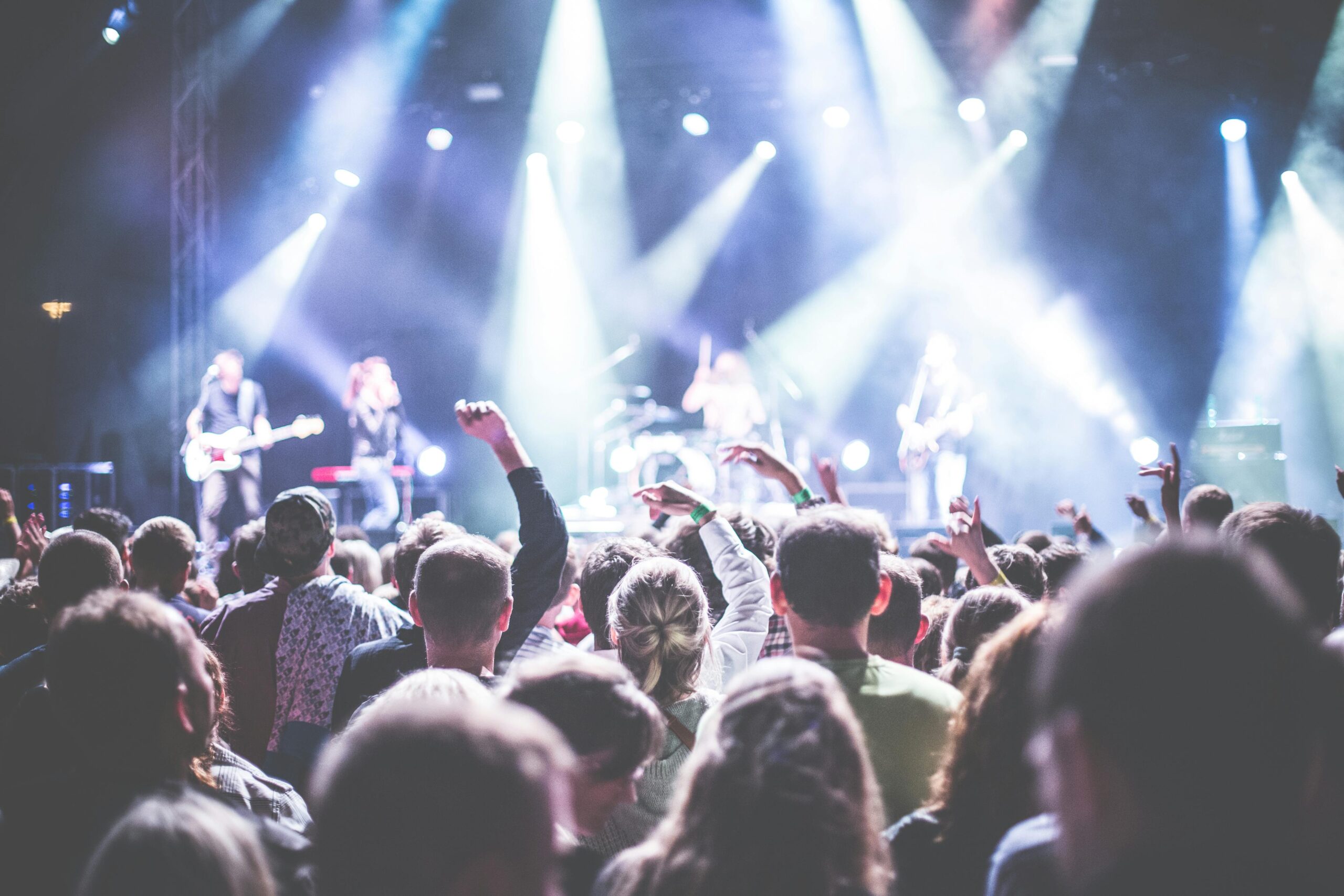
If your business is based in Las Vegas or surrounding areas, Eight Eleven Media specializes in exactly this — commercial, event, and live performance photography designed to give brands campaign-ready visuals that work across every channel.
What to Do With Your Photos Once You Have Them
Great photography is only as effective as how you deploy it. From an SEO standpoint, every image on your site should be:
- Saved with a descriptive, keyword-relevant filename (not “IMG_4872.jpg”)
- Compressed without sacrificing quality (tools like Squoosh or ShortPixel work well)
- Accompanied by a descriptive alt text that includes your target keyword naturally
- Served in a modern format like WebP where your CMS supports it
- Placed contextually on the page — not just decoratively

These small technical steps are what connect great photography to measurable SEO performance. Without them, even the best images are leaving traffic on the table.
The Bigger Picture
SEO and professional photography share the same end goal: making your website the most compelling, trustworthy result for the right audience. Keywords get people to your page — but imagery is what makes them stay, click, and convert.
If you’re investing time and budget into SEO, it’s worth making sure your visual content is pulling its weight too. A site audit that ignores the quality of its images is only telling half the story.